
Know your numbers.
You make your money when you buy, not when you sell. Before you fall in love with a house, know the most you can pay for it.
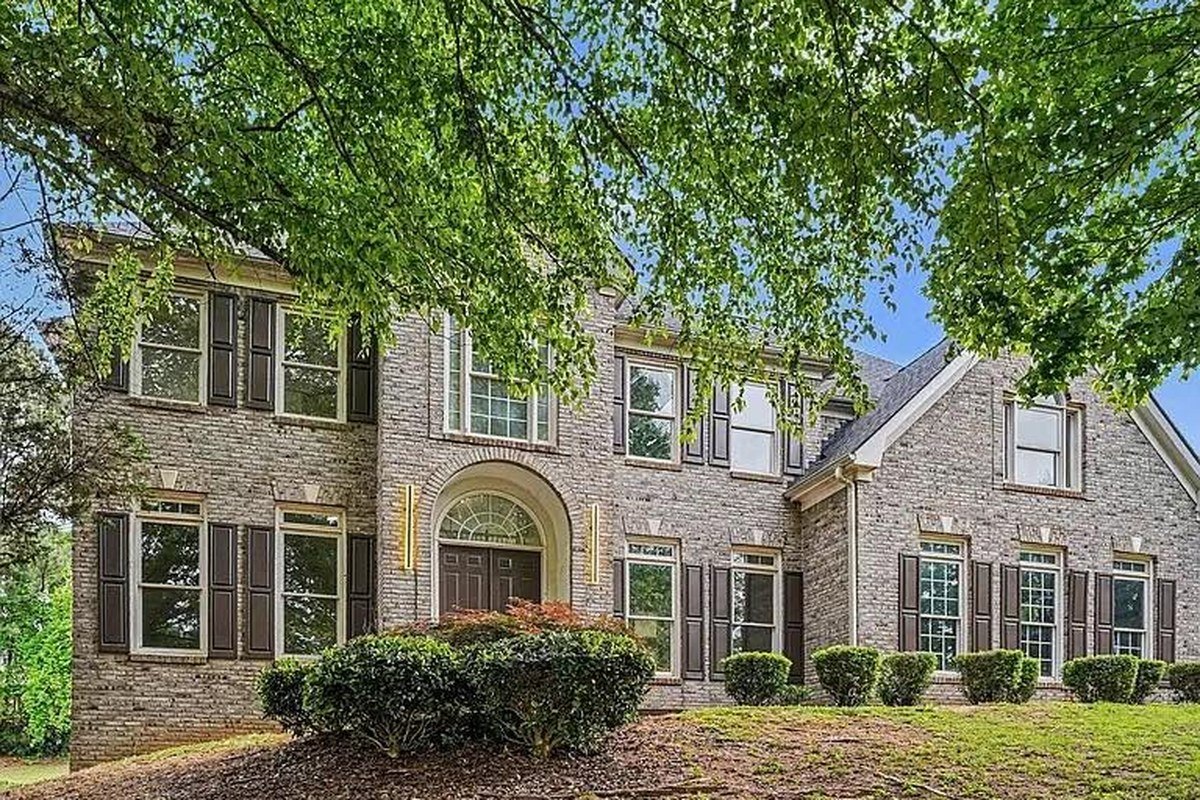
Real talkGo find the ugliest house on the best block. Peeling paint, wild yard, avocado green kitchen? That is not a problem. That is your profit, wearing a disguise.
- Key terms
- ARV
- After repair value. What the home will sell for once it is fixed up. Look at 3 to 5 similar homes nearby that sold in the last 6 months.
- Rehab budget
- What it costs to fix. Every repair, plus a cushion for the surprises hiding behind the drywall.
- The 70% rule
- Your starting ceiling. Pay no more than 70% of the ARV, minus the rehab budget. In pricier markets some investors use 75%.
Max offer calculator
Example numbers are filled in. Type yours.
The 70% leaves room for loan costs, holding costs, selling costs and your profit.
Find the right house.
The best first flip is a plain house in a good neighborhood that needs cosmetic work, not a full rebuild.
Real talkWhen a listing says "needs TLC," investors hear "make me an offer." The house everybody else drives past is the one that pays you.

Where good houses come from
- An agent who works with investors and sends new listings fast
- Wholesalers who put homes under contract and sell that contract to investors
- Driving neighborhoods for empty, overgrown or rundown homes
- Auctions, estate sales and homes that have sat on the market forever
- Your whole circle. Tell everyone you are buying. Your next property might come from your barber, your church or your group chat.
A great first project has
- 3 bedrooms and 2 bathrooms, the size most buyers want
- Fixed up homes nearby selling within 30 to 60 days
- Good schools and a grocery store close by
- Mostly paint, floors, kitchen, bathrooms and landscaping
Slow down if you see
- Foundation or major structural problems
- A busy road, train tracks or a car wash next door
- A flood zone or water stains on the ceiling
- Plans to build a mansion on a plain street. Be the glow up of the block, not the castle.

Walk the property.
Open this page on your phone at the showing. Tap anything that needs work and take a photo of each problem.
Real talkWalk in like you already own it. Open every closet, flip every switch, peek in the attic. Every flaw you find is a reason the price should come down.
If the roof, foundation, AC, electrical or plumbing need work, get a contractor quote before you make an offer. Those five surprise new investors the most.
"Today's eyesore is tomorrow's SOLD sign."
Budget the rehab.
Get at least two contractor quotes for the big items and always add a cushion. Lenders ask for this list, so a clear budget helps your loan move faster.
Real talkSpend where buyers fall in love: the kitchen, the bathrooms, the floors, fresh paint and a front door that says "come on in." That is where the glow up pays for itself.

Rehab budget builder
Example numbers are filled in. Type yours.

Fund your project.
Most investors do not pay all cash. A fix and flip loan can cover a large part of the purchase and the repairs, so more of your own money stays in the bank.
Real talkYou do not need to be rich to flip. You need a plan and a great lender. You are holding the plan, and the lender is one click away.
How it usually works
- The lender funds a share of the purchase and often most or all of the repairs.
- Repair money comes in draws. Finish a stage, the lender checks it, then releases that stage's money.
- Loans are short term, often 12 to 18 months, because the plan is to sell.
- Lenders look closely at the property and your plan, not only your paycheck.
- First timers can qualify. Terms may look a little different until you have a few projects behind you.
Have this ready before you call
- Key terms
- LTC
- Loan to cost. The loan compared to your total cost, purchase plus rehab.
- LTV on ARV
- Loan to after repair value. The loan compared to what the home will be worth. Many lenders cap the loan at a share of the ARV.
- Draws
- Repair money in stages. Released as the work gets done. Like an allowance, but for drywall.
Build your team.
Nobody flips alone. Tap any role below to find trusted pros on The Real Estate Rolodex. Line these people up before you buy, so you are not calling around for help in the middle of your project. When it is go time, you go.
Real talkGreat flippers do not do everything themselves. They know everybody. Build your dream team and let them make you look good.

Sell it, and have a backup plan.
A typical first flip runs about 4 to 6 months from contract to sale. Every month you own it costs money, so a tight timeline protects your profit.
Real talkSpeed is your secret weapon. The faster that ugly duckling becomes the prettiest house on the block, the more of the profit stays with you.
Close
Contract to closing
Permits
Permits and contractor start
Rehab
For cosmetic work
Sold
Listing, accepted offer and closing
Will this project make money?
Example numbers are filled in. Type yours.
Holding costs are your loan payment, taxes, insurance, utilities and upkeep. If the home does not sell as fast as you hoped, you can rent it out and refinance into a long term rental loan, like a DSCR loan.
Are you ready?
Twelve questions, and the last five are tricky. Nobody is grading you except you. And maybe us, a little.
Your certificate is waiting.
Score 9 out of 12 or better and you earn a Certificate of Completion with your name on it, emailed straight to you.

Now go find your first house.
You know the numbers. Put them to work. The Property Vault on The Real Estate Rolodex lists distressed and tax sale properties well below value, updated every day. Run any of them through your max offer calculator and see what shakes out.
Free members get 3 property views a month. Somewhere in there is the ugliest house on the block, and it is waiting for you.
Glossary.
Every term in this workbook, in plain English. Bookmark this part. You will hear these words a lot.
- 70% rule
- A starting point for your max offer: 70% of the after repair value, minus the rehab budget. A rule of thumb, not a law of physics.
- After repair value (ARV)
- What the home should sell for once the work is done, based on similar homes nearby that sold recently.
- Appraisal
- A licensed appraiser's opinion of what the property is worth. Lenders order one so everybody is working from the same number.
- Bridge loan
- A short term loan that carries you from buying to selling or refinancing. Fix and flip loans are a kind of bridge loan.
- Builder's risk insurance
- Insurance that covers a home while it is under construction or renovation. Regular homeowners insurance usually does not.
- Cash reserves
- Money you keep in the bank after closing to cover payments and surprises. Lenders like to see some. So does your blood pressure.
- Closing costs
- The fees to finish a purchase or a sale: title, escrow, recording, lender fees and similar.
- Comps (comparable sales)
- Recently sold homes that are similar in size, age and location. They are how you find your ARV.
- Contractor bid
- A written price from a contractor for a specific scope of work. Get at least two for the big items.
- Draw
- Repair money the lender releases in stages after each part of the work is finished and checked.
- DSCR loan
- A long term rental loan that qualifies you on the property's rent instead of your personal income. A popular backup plan for a flip.
- Earnest money
- A deposit you put down when your offer is accepted, to show the seller you are serious.
- Hard money loan
- A short term loan based mainly on the property and the plan. Faster than a bank loan, and usually priced higher.
- Holding costs
- What it costs to own the home each month while you fix and sell it: loan payment, taxes, insurance, utilities and upkeep.
- Home inspection
- A professional walkthrough that finds problems before you buy. Cheaper than finding them after.
- LLC
- A limited liability company. Many investors buy in an LLC to keep the project separate from their personal finances.
- Loan to cost (LTC)
- The loan amount compared to your total cost, which is the purchase price plus the rehab budget.
- Loan to value (LTV)
- The loan amount compared to the property's value. On a flip, lenders often look at it against the ARV.
- Points
- An upfront lender fee, shown as a percentage of the loan. One point is 1% of the loan amount.
- Proof of funds
- A bank statement or letter showing you have the cash for your down payment, closing costs and reserves.
- Purchase contract
- The signed agreement between you and the seller: price, dates, and what happens if something goes wrong.
- Refinance
- Replacing your loan with a new one. Flippers who decide to keep the home often refinance into a rental loan.
- Rehab budget
- Everything it costs to fix the home, plus a 10% to 15% cushion for surprises.
- Scope of work
- A line by line list of every repair you plan to make. Lenders and contractors both ask for it.
- Title company
- The neutral company that handles closing, checks that the seller can legally sell, and records the sale.
- Wholesaler
- Someone who puts a home under contract and sells that contract to an investor for a fee.
Get funded
Tell us a little about you and your first project, and let us get you funded. A real person on our team will call you, usually the same business day.
- First time and seasoned flippers welcome
- Purchase and rehab funding
- A dedicated team that walks you through every step
- Investment properties in over 30 states
Rather talk now? Call (844) 405-2400